
### **5 Key Highlights of Nipple Shields for Breastfeeding:**
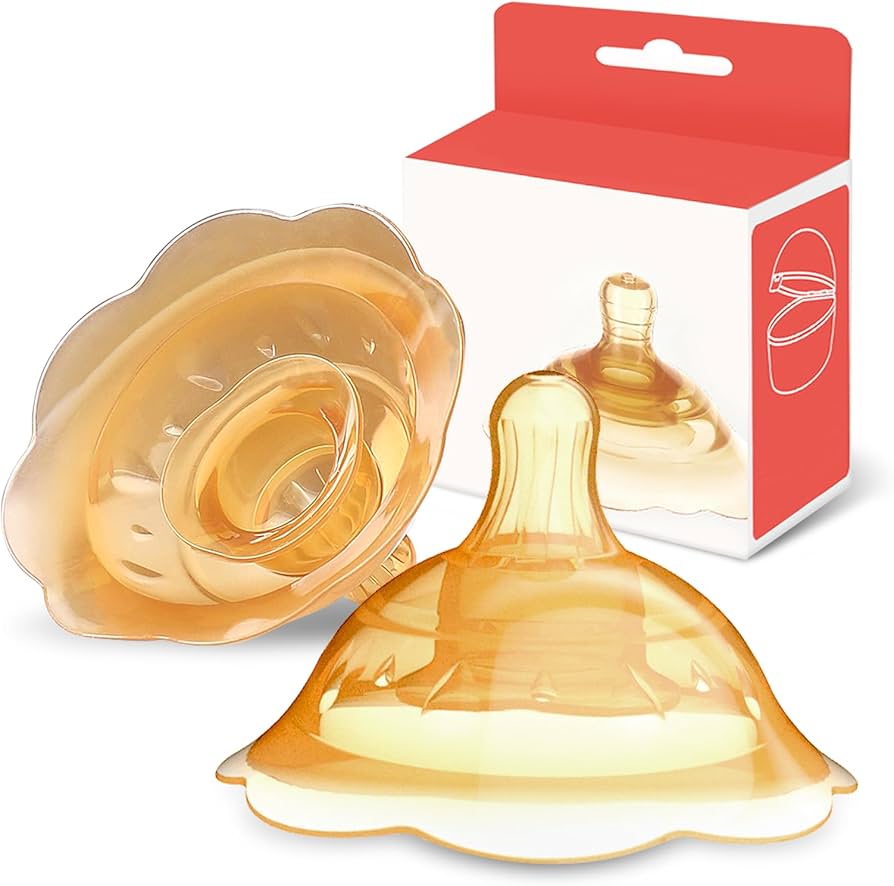
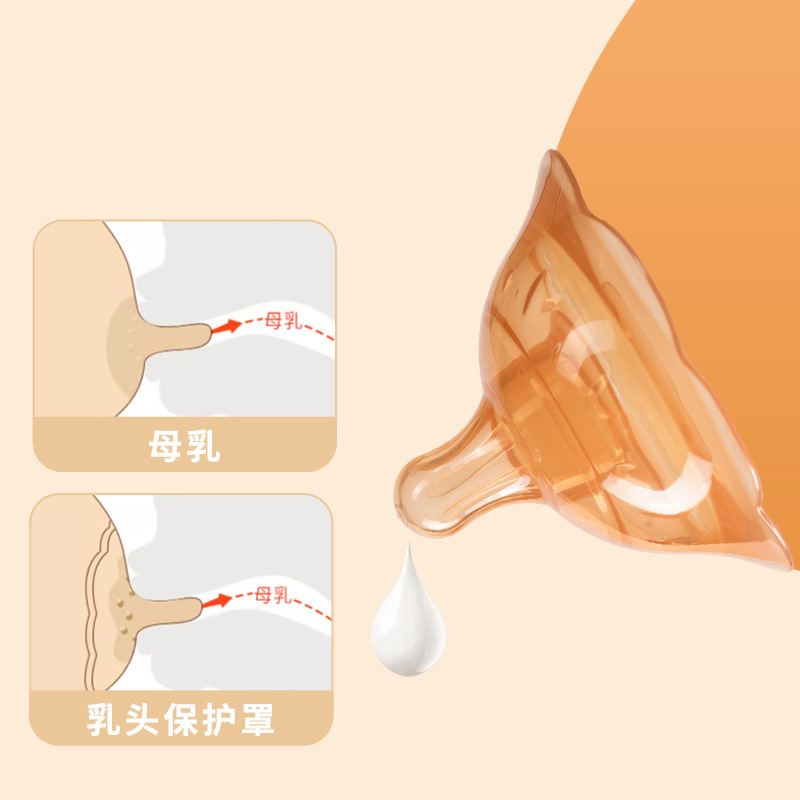
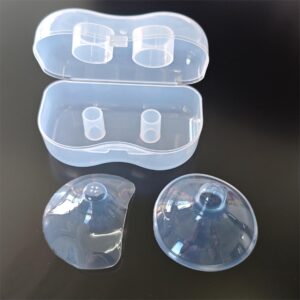
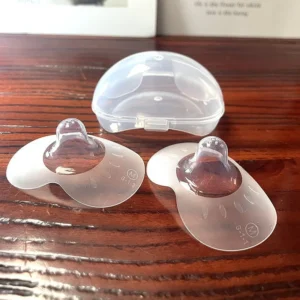
1. **Material & Design** – Made of soft, thin **silicone** with a nipple hole for milk flow; some have ventilation notches for better airflow.
2. **Helps with Latching** – Assists babies with **weak suction, prematurity, or tongue-tie**, and moms with **flat/inverted nipples**.
3. **Protects Sore Nipples** – Shields damaged or cracked nipples, allowing healing while continuing to breastfeed.
4. **Sizing Matters** – Available in **different sizes (16mm–24mm)**; proper fit ensures comfort and effective milk transfer.
5. **Temporary Solution** – Best for **short-term use** with lactation support to avoid long-term supply issues.
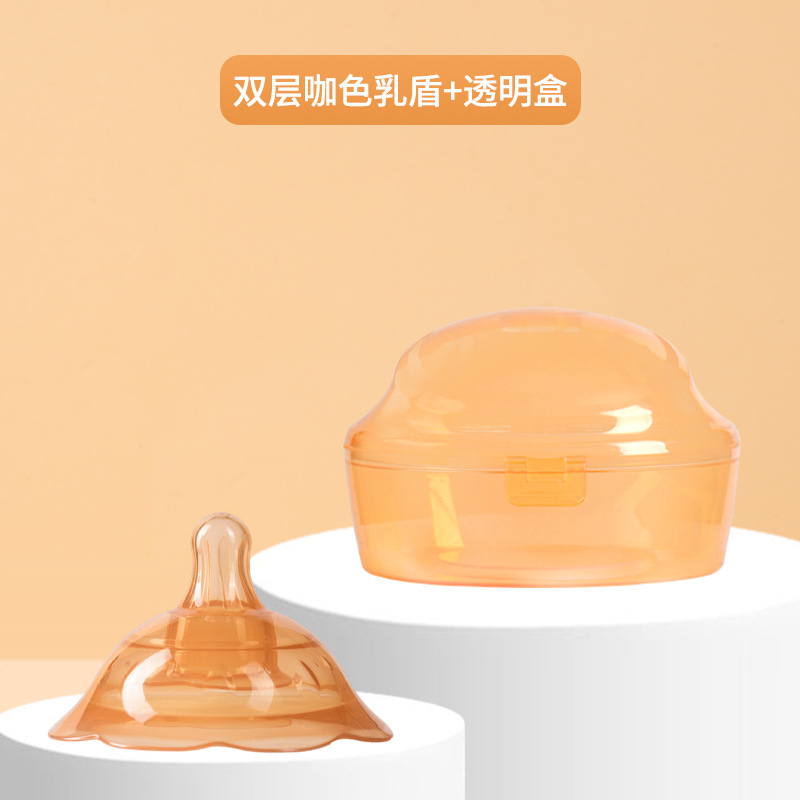
**Nipple shields** are thin, flexible silicone or latex covers worn over the nipple and areola during breastfeeding. They are designed to assist mothers and babies who may be experiencing difficulties with latching or nursing.
### **Description of Nipple Shields:**
1. **Material:**
– Typically made of **medical-grade silicone** (soft, flexible, and hypoallergenic).
– Some older versions may be made of **latex** (less common now due to allergy risks).
2. **Design Features:**
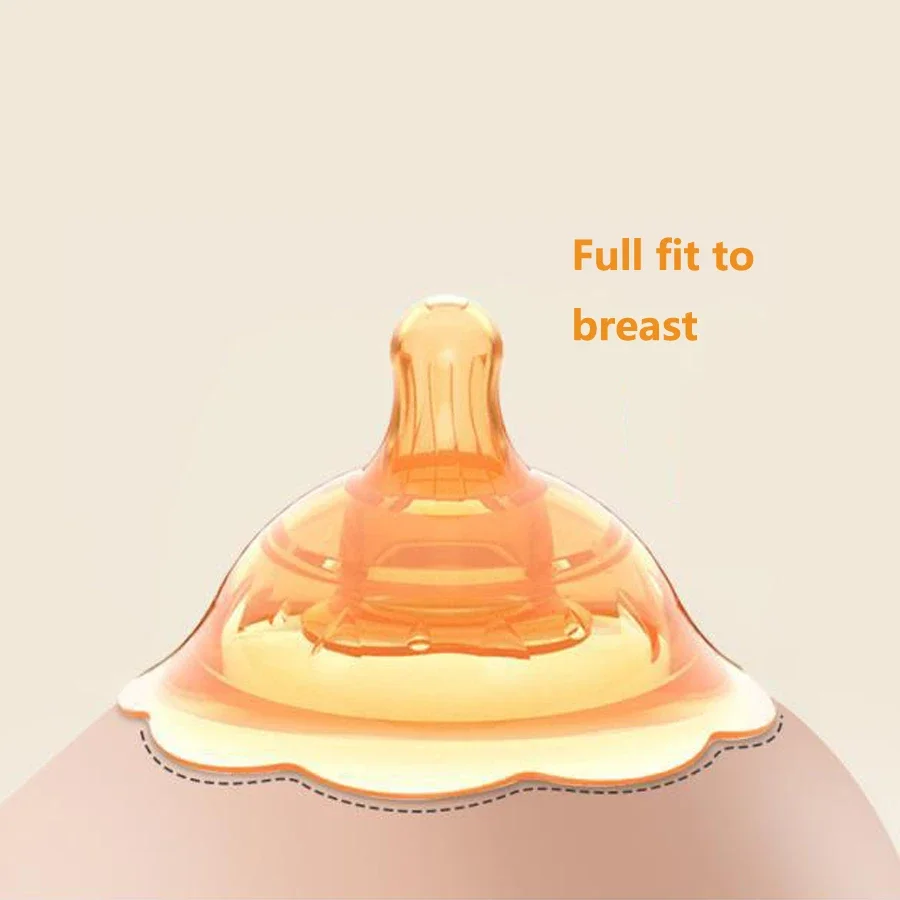
– **Shape:** Dome-like, with a cutout or opening for the nipple.
– **Nipple Cutout:** A hole or multiple holes at the tip where milk flows through.
– **Shield Base:** Flared edges to sit comfortably against the breast without restricting milk flow.
– **Ventilation Notches (in some models):** Small cuts along the edge to allow airflow and reduce suction pressure.
3. **Sizes:**
– Available in different diameters (e.g., **16mm, 20mm, 24mm**) to fit various nipple sizes.
– Proper sizing is important for comfort and effective milk transfer.
4. **Thickness:**
– **Ultra-thin shields** (better for maintaining natural latch and milk flow).
– **Thicker shields** (may be used for very sensitive nipples but can reduce stimulation).
### **Common Uses of Nipple Shields:**
– **Latching difficulties** (premature babies, flat/inverted nipples).
– **Sore or cracked nipples** (protects while healing).
– **Transitioning from bottle to breast.**
– **Babies with tongue-tie or weak suck.**
### **Potential Drawbacks:**
– May reduce milk transfer if not used correctly.
– Can sometimes lead to lower milk supply if used long-term without monitoring.
– Requires proper cleaning to avoid bacterial growth.
### **How to Use:**
– Wash hands before application.
– Position shield centered over the nipple.
– Flip edges outward slightly to create suction.
– Ensure baby takes both nipple and part of the areola into their mouth.
Nipple shields should ideally be used under the guidance of a **lactation consultant** to ensure proper fit and avoid breastfeeding challenges.
Reviews
There are no reviews yet.